Are you ready to unlock the secret to safeguarding your small business without breaking the bank? Dive into the world of affordable small business insurance plans where security meets affordability. Whether you’re a startup visionary or a seasoned entrepreneur, understanding the nuances of business insurance can be the game-changer you didn’t know you needed.
Imagine a world where your business thrives, safe from the unforeseen hurdles that could otherwise spell disaster. Affordable insurance isn’t just a protective shield; it’s a stepping stone to unprecedented stability and growth. Join us as we unravel the mysteries behind choosing the perfect insurance plan tailored to your unique needs.
Understanding the Importance of Affordable Small Business Insurance
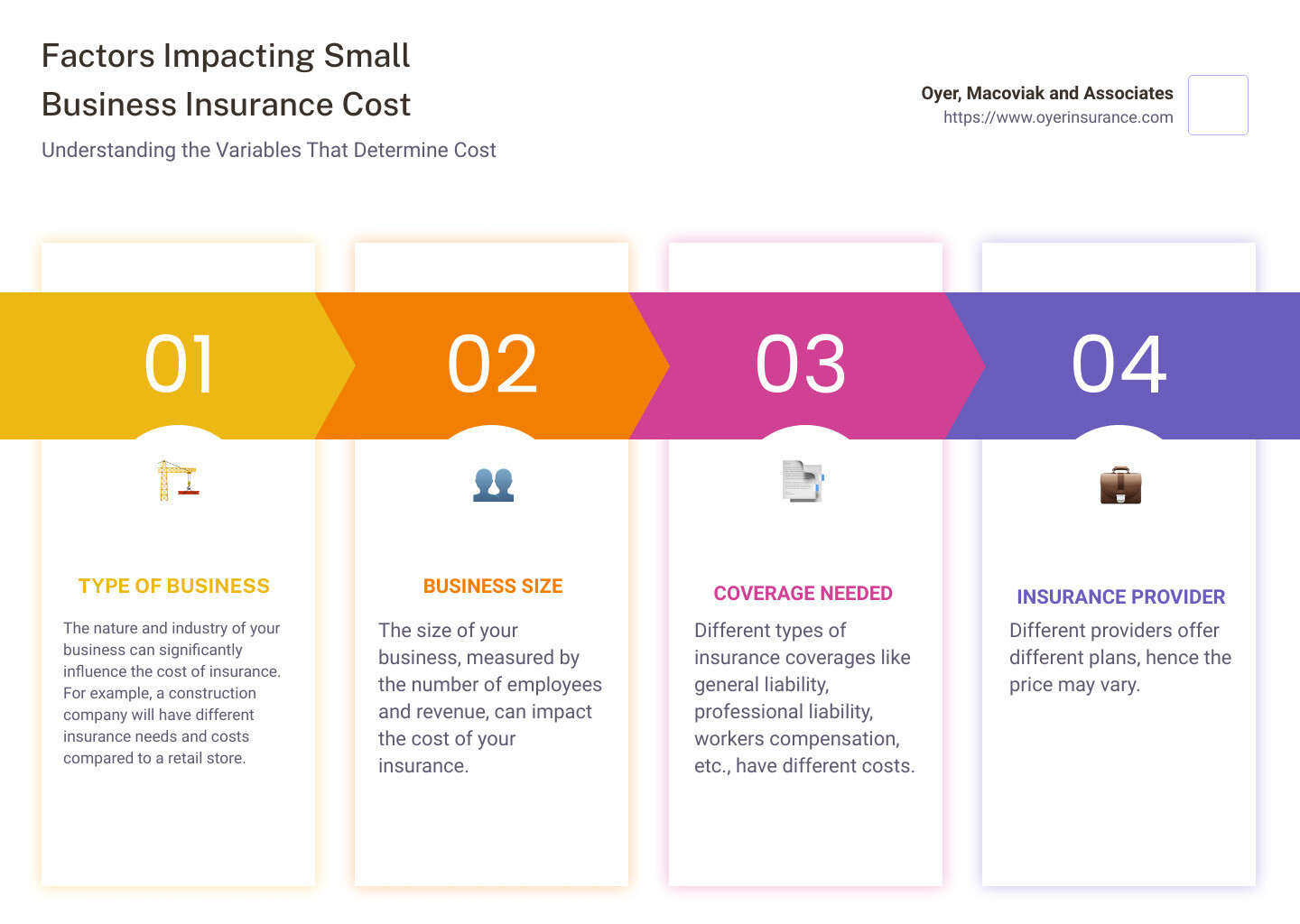
Protecting your small business with the right insurance policy is not just a smart move—it’s essential for safeguarding your future. Affordable insurance options offer both peace of mind and a safety net for unforeseen events.
Small businesses face unique challenges and risks. By choosing an insurance plan tailored specifically for these needs, entrepreneurs can protect their investments and ensure continuity even in the face of adversity. Affordable small business insurance not only helps mitigate financial risks but also allows business owners to focus on growth and innovation without constant worry.
The Significance of Tailored Business Insurance Plans
Insurance plans designed for small businesses are crafted to cater to specific needs and scale, providing comprehensive coverage without the burden of unnecessary costs. These plans are essential because they address the particular vulnerabilities small enterprises encounter, such as liability claims or property damage. When incidents occur, having the right coverage can mean the difference between a minor setback and a major financial catastrophe.
“Affordable insurance is not a luxury—it’s a critical component of any small business strategy.”
Risks Mitigated by Affordable Insurance Options
Affordable small business insurance mitigates a wide range of risks, ensuring that entrepreneurs can operate with confidence. Whether it’s protecting against liability claims, covering property damage, or safeguarding against business interruptions, insurance plays a pivotal role in risk management.
Consider scenarios such as:
- A customer slips and falls at your premises, resulting in a liability claim.
- Unexpected natural disasters cause damage to property, halting operations.
- Key equipment breakdowns, requiring immediate replacement to resume operations.
Key Benefits of Affordable Small Business Insurance
Understanding the tangible benefits of having the right insurance plan can illuminate its critical role in a business’s survival and prosperity. Here are the fundamental advantages:
- Financial Protection: Safeguards against potential financial losses due to unforeseen incidents.
- Legal Compliance: Ensures adherence to local regulations and legal requirements.
- Risk Management: Provides strategies and resources to effectively manage and mitigate risks.
- Business Continuity: Assists in maintaining day-to-day operations in the event of a crisis.
- Peace of Mind: Allows business owners to focus on growth without constant worry about potential setbacks.
Types of Insurance Plans Suitable for Small Businesses

Securing the right insurance is a crucial step in safeguarding the future of your small business. With many options available, choosing the right plan can ensure that you’re protected from unforeseen events that could impact your operations.
Each type of insurance plan offers unique coverage that caters to various aspects of a business. Let’s delve into the types of insurance plans you might consider for your small business, ensuring comprehensive protection tailored to your needs.
Comprehensive Coverage for Varied Business Needs
Small businesses have diverse insurance needs that can be addressed by a variety of plans. From property protection to liability coverage, understanding these options will empower you to make informed decisions. Here’s a comparison of different plans:
| Type of Insurance | Coverage | Cost | Provider | Benefits |
|---|---|---|---|---|
| General Liability Insurance | Bodily injury, property damage | $$ | Provider A, Provider B | Protects against lawsuits and legal costs |
| Property Insurance | Buildings, equipment, inventory | $$$ | Provider C, Provider D | Compensates for loss/damage to physical assets |
| Workers’ Compensation | Employee injuries/illnesses | $$ | Provider E, Provider F | Covers medical bills, lost wages |
| Professional Liability Insurance | Errors and omissions | $$$$ | Provider G, Provider H | Suitable for service-based businesses |
Most Popular Insurance Types Among Small Business Owners
Among the array of insurance options, certain types tend to be more popular with small business owners due to their comprehensive protective capabilities and affordability. These include:
- General Liability Insurance: A must-have that covers common risks faced by businesses daily.
- Property Insurance: Essential for businesses with physical locations or equipment.
- Workers’ Compensation: Mandatory in many states, offering protection to both employees and employers.
Each of these insurance types serves a distinct role in protecting your business. For instance, general liability insurance shields you from claims involving accidents, while property insurance ensures your physical assets are safeguarded against damage. Meanwhile, workers’ compensation not only protects your employees but also shields your business from potential lawsuits.
Protecting Core Business Aspects
Each insurance plan is designed to cover specific areas of risk, ensuring that every facet of your enterprise is protected. This comprehensive approach allows you to operate with confidence and peace of mind. By securing the right coverage, your business can weather challenges and continue to thrive, knowing that you are prepared for any eventuality.
“The best preparation for tomorrow is doing your best today.”
Criteria for Selecting the Right Insurance Plan
Choosing the right insurance plan for your small business can be the difference between securing your future and inviting unforeseen challenges. It’s essential to navigate the maze of options with a clear understanding of what truly matters.
To make the best decision, you must delve into the nuances of coverage, cost, and credibility. Here’s a guide to help you distinguish between what is essential and what’s superficial when selecting an insurance plan.
Critical Factors to Consider
When selecting an insurance plan, the coverage options should align with your business needs. Consider the following factors to ensure you’re not only protected but also financially savvy:
- Scope of Coverage: Does the plan cover the risks particular to your industry?
- Cost vs. Value: Are the premiums reasonable compared to the potential benefits?
- Flexibility: Can the plan adapt as your business grows?
- Reputation of the Provider: What do other businesses say about their experience?
- Customer Service: Is assistance readily available when you need it?
Step-by-Step Procedure for Evaluating Insurance Needs
Begin with a comprehensive assessment of your business’s unique challenges and the corresponding coverage needs:
- Identify Risks: List potential risks that could impact your business operations.
- Analyze Current Coverage: Examine existing insurance policies for gaps.
- Prioritize Risks: Rank the risks based on their probability and potential impact.
- Match Plans to Needs: Align these risks with available insurance plans.
- Review Regularly: Ensure the plan evolves with your business landscape.
Checklist for Assessing Potential Insurance Providers
It’s crucial to scrutinize potential providers to ensure reliability and peace of mind:
| Criteria | Description |
|---|---|
| Financial Stability | Check ratings from independent agencies to verify the provider’s financial health. |
| Claims Process | Evaluate the efficiency and transparency of the provider’s claims process. |
| Customer Feedback | Research reviews and testimonials from other small businesses. |
| Customization | Assess the provider’s ability to tailor policies to your specific needs. |
Common Pitfalls to Avoid
As you navigate through different insurance plans, be cautious of the following pitfalls:
“The cheapest plan isn’t always the best plan.”
Many businesses fall into the trap of opting for the lowest premium without considering the extent of coverage:
- Ignoring Exclusions: Review policy exclusions to avoid surprises later.
- Underinsuring: Ensure that coverage limits are sufficient to cover potential losses.
- Overlooking Renewal Terms: Pay attention to policy renewal terms to avoid unexpected changes in premiums or coverage.
- Skipping Professional Advice: Consult with insurance experts to gain insights tailored to your business.
Benefits of Affordable Insurance Plans for Small Businesses

In the world of small businesses, every penny counts, and investing in affordable insurance can be a game-changer. With the right plan, small businesses not only safeguard their operations but also unlock opportunities for future growth.
Insurance isn’t just a safety net; it’s a strategic tool that supports business longevity and resilience. Let’s delve into how affordable insurance plans can positively transform small businesses.
Real-Life Success Stories of Businesses Benefiting from Affordable Insurance
Consider the case of a local bakery that managed to thrive amid unforeseen challenges thanks to their affordable insurance plan. When a sudden electrical fault caused a fire, their insurance covered most of the repair costs, allowing them to reopen swiftly without significant financial strain. This kind of security means small businesses can breathe easy, knowing they are protected against the unexpected.
Similarly, a tech startup utilized their insurance savings to reinvest in development, leading to a new product launch that propelled their business to new heights. These examples underscore how strategically chosen insurance plans can make a profound difference.
Financial Advantages of Cost-Effective Insurance Plans
Opting for affordable insurance plans doesn’t mean compromising on quality. In fact, it is a financially wise decision that offers numerous benefits:
- Reduced Monthly Premiums: Lower insurance costs mean more cash flow to invest back into the business.
- Tax Deductions: Many insurance premiums are tax-deductible, further easing the financial burden.
- Cost Predictability: Fixed premiums help businesses forecast expenses accurately, enhancing financial planning.
- Comprehensive Coverage: Affordable plans still provide comprehensive coverage options, protecting against a variety of risks.
Contribution to Stability and Business Growth
Affordable insurance plans play a pivotal role in fostering business stability and growth. By securing coverage, businesses ensure continuous operation even in the face of potential setbacks, such as natural disasters or legal claims. This stability is essential for long-term growth and expansion.
Moreover, with the savings from affordable plans, small businesses can allocate more resources towards innovation, marketing, and scaling their operations. This strategic reinvestment can significantly boost the business’s market position and competitiveness.
Additional Perks from Insurance Providers
Some insurance providers go the extra mile by offering additional perks that can benefit small businesses:
- Risk Management Resources: Access to expert advice and tools to minimize risks.
- Flexible Payment Plans: Options to spread payments across different periods, easing cash flow management.
- Bundled Insurance Packages: Discounts for bundling multiple insurance types under one provider.
- Loyalty Discounts: Reduced rates for long-term clients or for adding new policies.
These added benefits enhance the value of affordable insurance plans, making them an attractive option for small business owners.
Strategies for Finding and Negotiating Affordable Insurance Rates

Finding and negotiating affordable insurance rates can be a daunting task for small business owners. However, with the right strategies, you can secure the coverage you need without breaking the bank.
Let’s delve into some key methods that will empower you to research, compare, and negotiate insurance rates effectively, ensuring you get the best value for your money.
Researching and Comparing Insurance Rates
To ensure you’re getting the best deal, it’s crucial to research thoroughly and compare different insurance rates. Begin by identifying your business’s specific insurance needs, and then explore various options available in the market.
- Leverage online comparison tools to analyze different insurance providers and their offerings.
- Consult reviews and ratings to understand customer satisfaction and service quality.
- Consider the coverage limits, deductibles, and any exclusions that may impact your business.
Creating a
| Provider | Coverage | Premium | Deductible | Exclusions |
|---|---|---|---|---|
| Insurer A | Comprehensive | $500/month | $1,000 | Flood damage |
| Insurer B | Standard | $450/month | $1,200 | Earthquake damage |
Negotiating Better Rates with Insurance Providers
Once you have shortlisted potential insurance providers, the next step is to negotiate better rates. Remember, negotiation is not just about price but also about the terms and conditions of the policy.
- Be clear about your budget and the coverage you are seeking.
- Highlight any safety measures your business has implemented, as this can potentially lower your premium.
- Ask if there are discounts available for bundling multiple policies.
“In negotiation, the most important part is listening. Understanding the insurer’s perspective can lead to mutually beneficial agreements.”
The Role of Insurance Brokers in Securing Affordable Plans
Insurance brokers can be invaluable allies in your quest for affordable insurance plans. They have insider knowledge and access to a wide range of policies, providing you with options you might not find on your own.
- Brokers can offer personalized advice tailored to your business needs.
- They can negotiate on your behalf, leveraging their industry connections to secure better terms.
- Most brokers work on commission, only getting paid when you purchase insurance, which means they are incentivized to find you the best deal.
Template Email for Requesting Quotes from Multiple Insurers
To streamline the process of gathering quotes, use a well-crafted email template:
Subject: Request for Insurance Quote for [Your Business Name]
Dear [Insurer’s Name],
I am writing to request a quote for business insurance for [Your Business Name]. We are seeking coverage that includes [specific coverages required].
Please provide us with the best possible rates and terms. Attached, you will find our business details and any relevant documents. We are keen on finding a policy that fits our needs and budget.
Thank you for your assistance.
Best regards,
[Your Name]
[Your Position]
[Your Contact Information]
Remember, persistence and thoroughness are key when searching for and negotiating affordable insurance rates for your small business.
Legal Considerations and Compliance for Small Business Insurance

Ensuring your small business is adequately insured is more than a financial safeguard—it’s a legal imperative. Navigating the complexities of compliance can seem daunting, but understanding the legal landscape is crucial for every entrepreneur.
Insurance requirements vary significantly across different sectors and regions, making it essential for business owners to be well-informed about the specific legal mandates that apply to their operations.
Understanding Industry-Specific Insurance Requirements
Each industry has unique risks, and corresponding insurance requirements set forth by law. For instance, construction businesses often need workers’ compensation insurance due to the physical nature of the work, whereas tech companies might prioritize cyber liability insurance.
- Construction: Workers’ Compensation, General Liability
- Healthcare: Malpractice Insurance, General Liability
- Retail: Property Insurance, Product Liability
- Technology: Cyber Liability, Professional Liability
Compliance Issues Related to Business Insurance
Staying compliant with insurance regulations is essential to avoid legal and financial penalties. Compliance ensures that your business operates within the boundaries of the law, providing a safety net for unforeseen events.
Failing to comply can lead to hefty fines, legal challenges, and in severe cases, business shutdowns. It’s not just about ticking boxes; it’s about safeguarding the future of your business.
Consequences of Non-Compliance with Insurance Laws
The repercussions of neglecting insurance laws are severe. Non-compliance can result in financial losses, damage to reputation, and legal action. In some cases, it can lead to
the forfeiture of business licenses
, effectively halting operations.
Business owners must prioritize understanding and meeting their insurance obligations to protect their businesses from these adverse outcomes.
Resources for Staying Updated on Insurance Regulations
Keeping abreast of the ever-evolving insurance regulations is crucial for maintaining compliance. Utilize the following resources to stay informed:
- Government Websites: Regularly check the official websites of your local and national regulatory bodies.
- Industry Associations: Join associations relevant to your industry for updates and guidance.
- Insurance Providers: Leverage your insurance provider’s resources for compliance insights.
- Legal Advisors: Consult with legal experts specializing in insurance law.
Final Summary

In the thrilling journey of entrepreneurship, having the right insurance plan is like wielding a secret weapon. It cushions you through turbulent times and propels you toward success. So, as you embark on this path, let affordable small business insurance plans be your trusted ally. With these plans, you’re not just insuring your business; you’re ensuring its future. Explore, compare, and conquer the world of business with confidence!