Step into the bustling world of the insurance industry, where financial security and peace of mind are the currencies of success. Imagine a landscape filled with companies vying for your trust, offering solace in times of uncertainty. But what makes a company rise above the rest to claim the top spot in the ever-evolving arena of insurance? Join us as we embark on a journey to uncover the factors that propel insurance giants to the pinnacle of their field.
In this riveting exploration, we will dissect the intricate mechanisms of the insurance industry, revealing the secrets that determine the hierarchy among companies. From financial stability to customer satisfaction, every piece of this complex puzzle plays a vital role in shaping the rankings. Brace yourself for an enlightening ride through the world of insurance, where innovation meets tradition to sculpt the future of financial assurance.
Overview of Insurance Industry
The insurance industry serves as a cornerstone of economic stability and growth, providing financial protection and risk management to individuals and businesses alike. From mitigating uncertainties to fostering confidence in investments, insurance is essential in the modern world.
Insurance companies play a vital role in shielding us from unforeseen events, offering a buffer against potential financial ruin. Their services are pivotal in various sectors, ensuring continuity and resilience amid uncertainties.
Key Factors Influencing Insurance Company Rankings
In the competitive landscape of the insurance industry, several pivotal factors determine a company’s ranking. A company’s financial strength, customer satisfaction, and market share are critical in shaping its reputation. Additionally, innovation in product offerings and adaptability to market trends also play significant roles in ensuring a company’s success.
Furthermore, strong underwriting practices and efficient claims management contribute to an insurer’s credibility, making it a preferred choice for policyholders.
Diverse Spectrum of Insurance Products
The insurance market is rich with diverse products designed to cater to various needs and preferences. These products range from life and health insurance to property, casualty, and specialized coverages. Each type of insurance serves a specific purpose, ensuring comprehensive protection across various aspects of life and business.
Life insurance policies provide financial security to beneficiaries, while health insurance offers coverage for medical expenses. Property insurance protects physical assets, and casualty insurance covers liability risks. Specialized products such as cyber insurance and travel insurance address niche needs, reflecting the industry’s agility in adapting to modern challenges.
Criteria for Ranking Insurance Companies
In a world where safeguarding assets and ensuring financial security are paramount, understanding the criteria that define the best insurance companies is crucial. These criteria serve as the backbone for evaluating and ranking insurers, shining a light on their strengths and weaknesses.
The ranking of insurance companies is a meticulous process that involves multiple facets. By examining these criteria, stakeholders can make informed decisions, ensuring that their choice aligns with their personal needs and expectations.
Primary Ranking Criteria and Their Impact
Insurance companies are evaluated based on a combination of factors, each carrying its own weight in the overall ranking. The most prominent criteria include financial stability, customer satisfaction, product offerings, and innovation.
Financial stability is often the cornerstone of these rankings. It reflects an insurer’s ability to meet its long-term obligations, a critical factor in assessing reliability. A financially stable company is more likely to honor claims promptly, maintaining trust with policyholders. This metric not only reassures current clients but also attracts potential customers.
Comparing Ranking Criteria Across Companies
Here’s a structured comparison of how different factors weigh in the ranking of insurance companies:
| Criteria | Company A | Company B | Company C |
|---|---|---|---|
| Financial Stability | High | Medium | High |
| Customer Satisfaction | Medium | High | Medium |
| Product Offerings | Medium | Medium | High |
| Innovation | High | Medium | Medium |
“The true measure of an insurance company lies not just in its premiums, but in its ability to fulfill the promises made to its policyholders.”
Top Three Insurance Companies

In the dynamic realm of insurance, three companies have risen to the pinnacle of the industry. These leaders have distinguished themselves through innovation, customer satisfaction, and robust financial practices that set them apart from the competition.
Let’s dive into what makes these companies the stalwarts of the insurance world, exploring their unique strengths and the milestones they have achieved on their path to excellence.
Industry Titans: The Unmatched Leaders
The standout performers in the insurance industry have been recognized not only for their financial stability but also for their forward-thinking approaches and customer-centric models. Each company brings a unique set of attributes to the table:
-
Insurance Company A: Known for its cutting-edge digital platforms, Company A offers seamless customer experiences that make it a favorite among tech-savvy consumers.
- Developed the first AI-driven insurance advisor, revolutionizing customer interaction.
- Awarded “Best Digital Insurance Provider” for three consecutive years.
- Expanded to 15 new international markets in the past year, showcasing global reach.
-
Insurance Company B: Boasting an impressive portfolio, Company B is renowned for its comprehensive coverage options and personalized service.
- Introduced a customizable insurance plan that allows clients to tailor coverage to their specific needs.
- Recognized for outstanding claim processing speeds, reducing wait times by 30%.
- Named “Top Customer Service” provider in the insurance sector for five years running.
-
Insurance Company C: With a focus on sustainable practices, Company C leads the industry in eco-friendly initiatives and socially responsible investments.
- First insurer to implement a carbon-neutral policy across all operations.
- Pioneered an insurance product specifically designed for green energy projects.
- Recipient of the “Green Business Award” for innovation in sustainability.
These top-tier companies not only set the standard in their respective fields but also push the boundaries of what is possible in the insurance sector. Their achievements underscore a commitment to excellence that drives the industry forward.
Market Competitiveness and Strategies
In the dynamic landscape of the insurance industry, staying ahead of the curve requires not only resilience but also strategic acumen. The top-ranking insurance companies have mastered the art of competition, leveraging innovative strategies to solidify their market positions.
These industry leaders employ a multifaceted approach that includes customer-centric innovations, digital transformation, and strategic partnerships. By continuously adapting to market demands, they ensure sustained growth and leadership.
Innovative Strategies for Market Leadership
Top insurance companies often implement customer-centric innovations to enhance their service offerings and meet the evolving needs of their clients. Innovation in product development, such as tailored insurance packages and the use of artificial intelligence for risk assessment, has become pivotal. This approach not only strengthens customer loyalty but also attracts a new generation of tech-savvy clients.
Another critical strategy is digital transformation. By investing in advanced technologies, these companies streamline their operations, reduce costs, and improve customer engagement. Digital platforms offer clients a seamless experience, from policy purchase to claim processing, thereby enhancing overall satisfaction.
Strategic partnerships and mergers also play a significant role in maintaining market leadership. By forming alliances with tech firms and startups, top insurers leverage cutting-edge technologies and innovative solutions that keep them at the forefront of the industry.
“Adaptability and innovation are the cornerstones of strategic management in the insurance sector, ensuring that companies not only survive but thrive in a competitive market.”
Maintaining Market Leadership
To maintain their market dominance, leading insurance companies focus on agility and responsiveness. They continuously monitor market trends and consumer behaviors to predict shifts and adapt their strategies accordingly. This proactive approach enables them to quickly respond to changes, minimizing risks and capitalizing on new opportunities.
Furthermore, these companies place a strong emphasis on brand reputation and trust. By consistently delivering on promises and maintaining transparency, they build a solid foundation of trust with their clients. A reputable brand is not only a powerful competitive advantage but also a buffer against market volatility.
The ability to leverage data analytics is another crucial factor. By harnessing the power of big data, insurance firms gain insights into customer preferences and risk patterns, allowing them to tailor their products and services to specific market segments. This data-driven approach ensures they remain relevant and competitive.
Expert Insight: Strategic Management in Insurance
Industry experts emphasize the importance of a holistic approach to strategic management, where companies not only focus on immediate gains but also consider long-term sustainability. This involves balancing financial performance with environmental and social responsibilities.
“The interplay between technology, customer engagement, and strategic foresight is what defines a successful insurance company in today’s market.”
Overall, the top insurance companies’ ability to blend traditional values with modern strategies is what sets them apart in a highly competitive arena.
Customer Satisfaction and Feedback
In the fiercely competitive world of insurance, customer satisfaction isn’t just an objective—it’s the north star guiding the journey of success for top-tier companies. By prioritizing their clients’ voices, these industry leaders ensure they are not just meeting but exceeding expectations.
Understanding and enhancing customer satisfaction is crucial for maintaining market position and reputation. The feedback from policyholders provides invaluable insights into the efficacy of services, the fairness of claims processes, and overall experience. Companies that excel in these areas are more likely to rank higher, demonstrating their commitment to customer-centric practices.
Systematic Approach to Gathering Feedback
To effectively harness customer insights, insurance companies must implement a robust system for gathering and analyzing feedback. This involves multiple touchpoints and methodologies, ensuring a comprehensive understanding of customer sentiments. Here’s how leading companies do it:
- Utilize surveys and questionnaires post-interaction.
- Establish feedback loops through digital platforms and apps.
- Conduct regular focus groups for qualitative insights.
- Monitor social media and online reviews for real-time feedback.
By employing a multi-faceted approach, these companies can capture a wide range of customer experiences, providing a foundation for strategic improvements.
Showcasing Trends and Insights
The power of feedback lies in its ability to reveal trends and insights, guiding strategic decisions. Organizing this data in a structured manner helps companies focus on areas that need attention and celebrate areas of success. Below is an example table showcasing feedback trends:
| Aspect | Positive Feedback (%) | Negative Feedback (%) | Trend |
|---|---|---|---|
| Claims Process | 75 | 25 |
|
| Customer Service | 82 | 18 |
|
| Policy Options | 68 | 32 |
|
| Pricing Satisfaction | 70 | 30 |
|
Tables like these provide a snapshot of areas where insurance companies thrive and where they need to focus their improvement efforts, ensuring customer satisfaction is always at the forefront.
Future Trends in Insurance Rankings
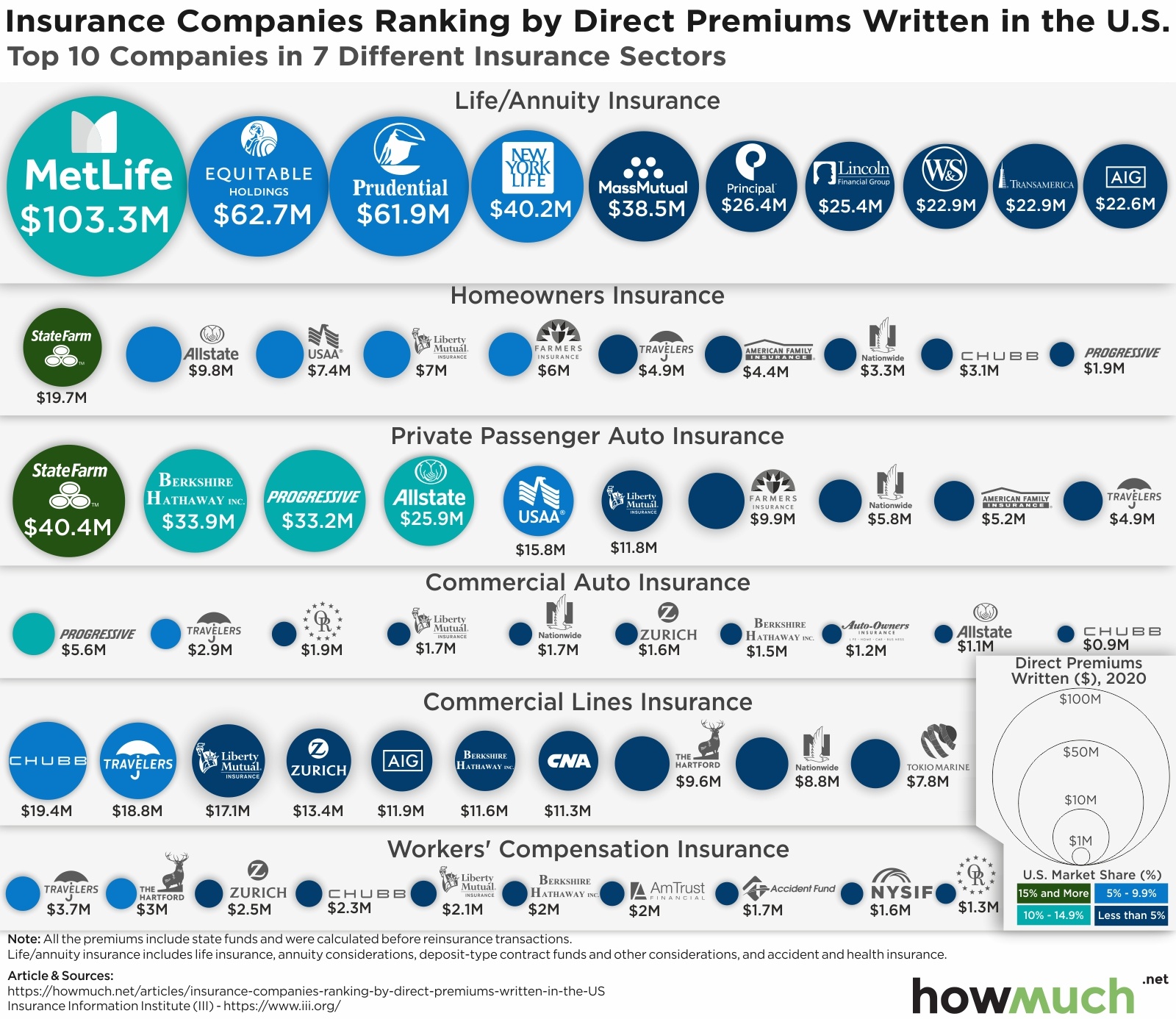
As the insurance industry sets its sights on the horizon, the landscape is destined for transformation. Emerging trends are poised to reshape how companies are ranked and perceived in the marketplace.
From technological advancements to shifts in regulatory frameworks, these forces will redefine not only the competitive dynamics but also the way insurers engage with their customers.
Impact of Technology and Innovation
Technology is the harbinger of change in the insurance sector. With the rise of digital platforms, AI, and IoT, insurers are leveraging these tools to enhance operational efficiency and customer experience. Insurtech startups are pioneering new models that emphasize agility and customer-centricity, forcing traditional insurers to innovate or risk obsolescence.
- AI-powered analytics for personalized policy offerings
- Blockchain for secure, transparent transactions
- IoT devices for real-time data collection and risk management
These innovations promise not only to streamline processes but also to redefine the metrics by which insurance companies are evaluated, focusing increasingly on technological prowess and adaptability.
Regulatory Changes and Their Impact
Regulatory frameworks are in a constant state of evolution, aiming to address the dynamic needs of the market and consumer protection. As regulators introduce new guidelines, insurance companies must adapt swiftly to remain compliant and competitive. Changes in data privacy laws, for instance, require insurers to bolster their cybersecurity measures.
Compliance will become a key competitive advantage in the insurance landscape.
Moreover, environmental regulations could drive a shift towards sustainable insurance practices, impacting company rankings as stakeholders prioritize eco-friendly initiatives.
The Rise of Consumer-Centric Models
Insurance companies are increasingly adopting consumer-centric models that focus on delivering personalized and transparent services. The demand for seamless digital experiences is growing, and insurers must rise to the occasion.
| Traditional Model | Consumer-Centric Model |
|---|---|
| Focus on product | Focus on customer experience |
| Reactive approach | Proactive engagement |
| Generic offerings | Tailored solutions |
This shift is likely to influence future rankings as companies that prioritize customer satisfaction and innovative service delivery may find themselves climbing the ranks.
Conclusion
As the curtain falls on our exploration of the top echelons of the insurance industry, one thing becomes abundantly clear: the race to the top is a dynamic and multifaceted endeavor. With customer satisfaction at its core and an eye on future trends, these leading companies are not just surviving but thriving. As we anticipate the unfolding chapters of the insurance narrative, let us recognize the relentless pursuit of excellence that defines the champions of today and shapes the leaders of tomorrow. Embrace the knowledge, and let it guide you to make informed decisions in the ever-evolving world of insurance.